nothing really happened
credits
synopsis
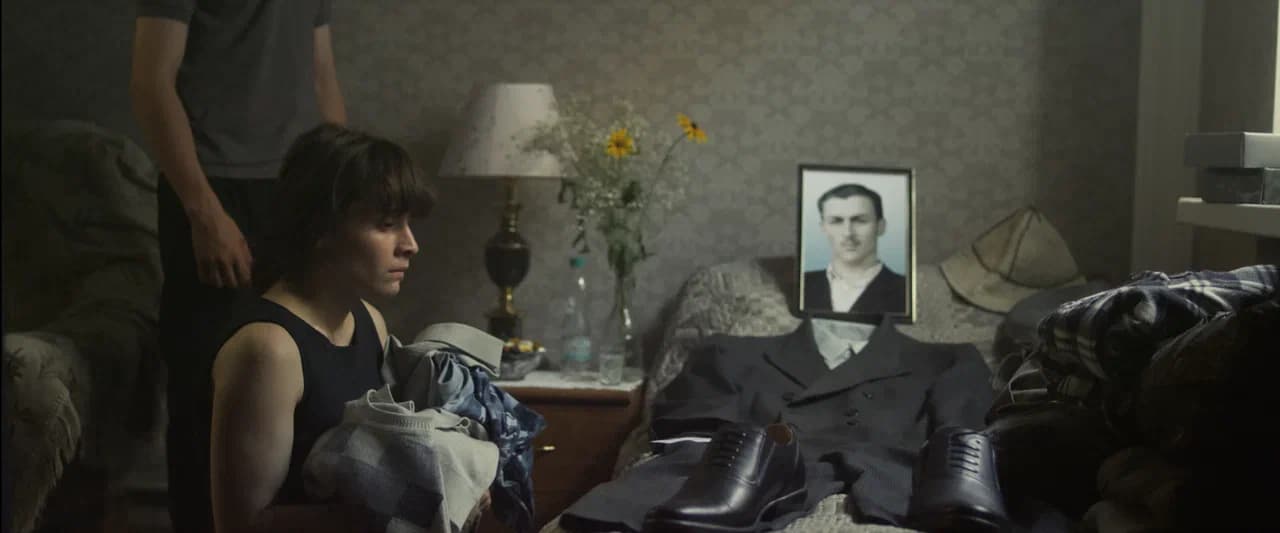
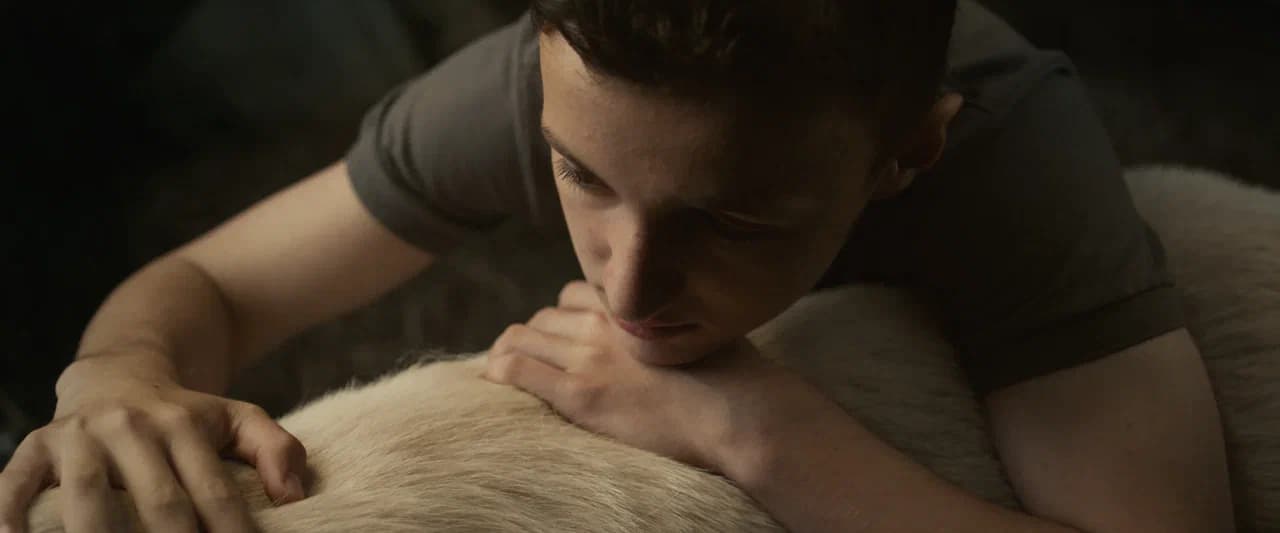
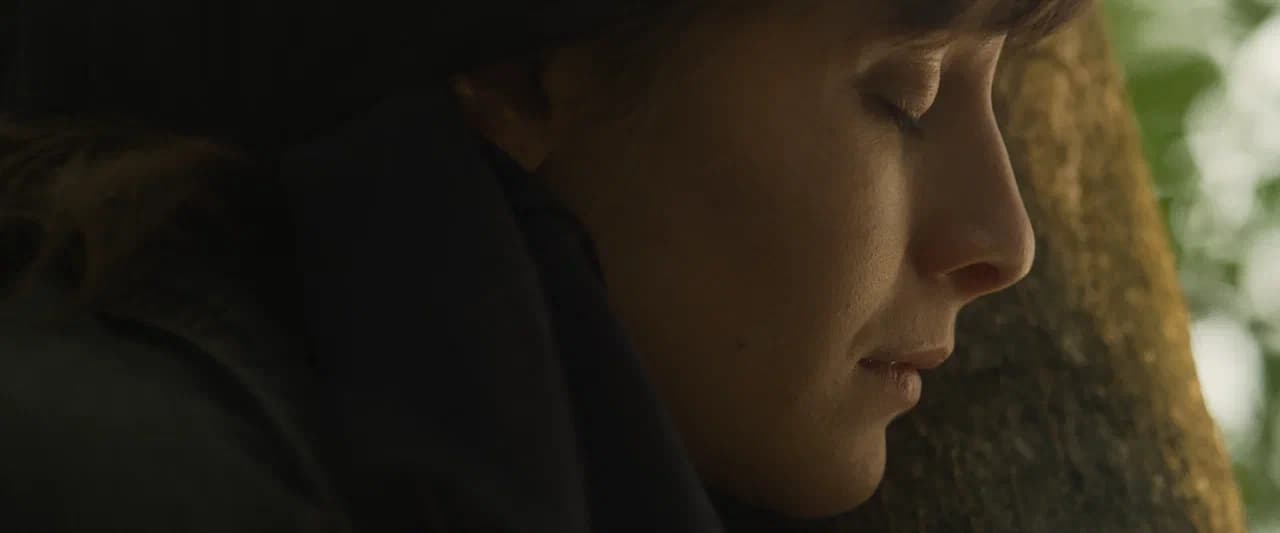
Sandro goes back to her native Ossetia for the funeral of her father and is immediately immersed in the chaos of the ceremony. She and her brother Geor can feel the crushing weight of an unvoiced truth: Sandro wants to leave forever.
director’s statement
“I’m afraid of who my brother will become one day. I don't think he will grow up into a terrible person, no, but he is definitely going to be completely different.” One day, this thought struck me out of the blue, and that was when I started to develop the idea of my first feature film. Initially, the story focused on the relationship of two people who were going through the tragedy of theirfather’s death and coping in two entirely different ways. However, while writing the script, I realized that in this situation, their personal differences did not play the most important role. Then, layer by layer, I started to meticulously clean off the unnecessary things, until only the main motif remained: detachment and loneliness within a family.
It is an accepted norm in my culture that people do not talk about their pain, especially not to their loved ones. My childhood in Beslan was tainted by the tragedy that affected both my region and the entire country. I clearly remember how there were things everyone was aware of and silent about. It became our unspoken collective trauma. These events have deeply influenced my idea of family. I have almost never seen my mother or grandmother crying, and it is very difficult for me to imagine a candid conversation with them. The only person who can be expressive with his emotions and feelings and does not hesitate to talk about them is my father. But what if suddenly he wasn’t there anymore? This thought became the guiding one during the writing of the final version of the script.
The ritual of bidding farewell to their father plays an important role in the film. There are clear-cut rules to the rites that take an entire year, whenever someone dies in Ossetia. At that point the family of the deceased literally do not have any time to process their loss, their life filled with chores like cooking for 200 people, cleaning, arranging for a traditional ceremony, engaging in customary activities and socializing. Every person in Ossetia knows what it is, and how exhausting these events are. Since I’ve developed professionally in documentary cinema, it is important to me that my feature films reflect reality. The carcass of my film was built of real moments and memories, which I then wove my characters onto. I believe this is the most honest way of doing this work.